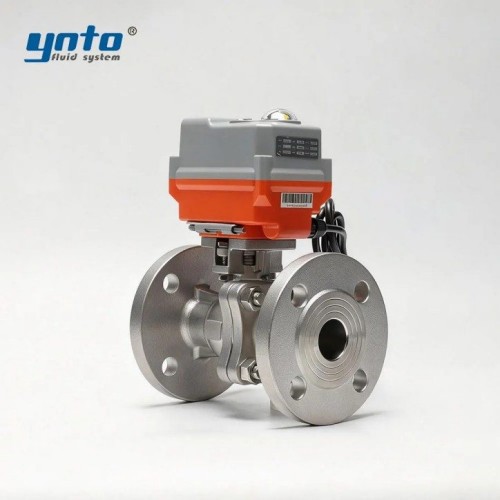
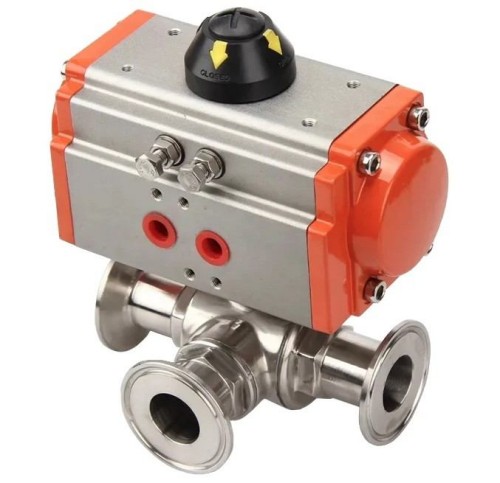
Tecnología impermeable IP67
- Customer Success
- Related Products
- Related industry Applications
Elegir válvulas eléctricas con grado de protección IP67 puede aportarnos una mayor comodidad y seguridad, tanto en el mantenimiento diario como en el uso a largo plazo. Creo que en futuros proyectos, las electroválvulas IP67 seguirán demostrando su excelente rendimiento, proporcionando una mayor eficiencia y seguridad para nuestro trabajo.

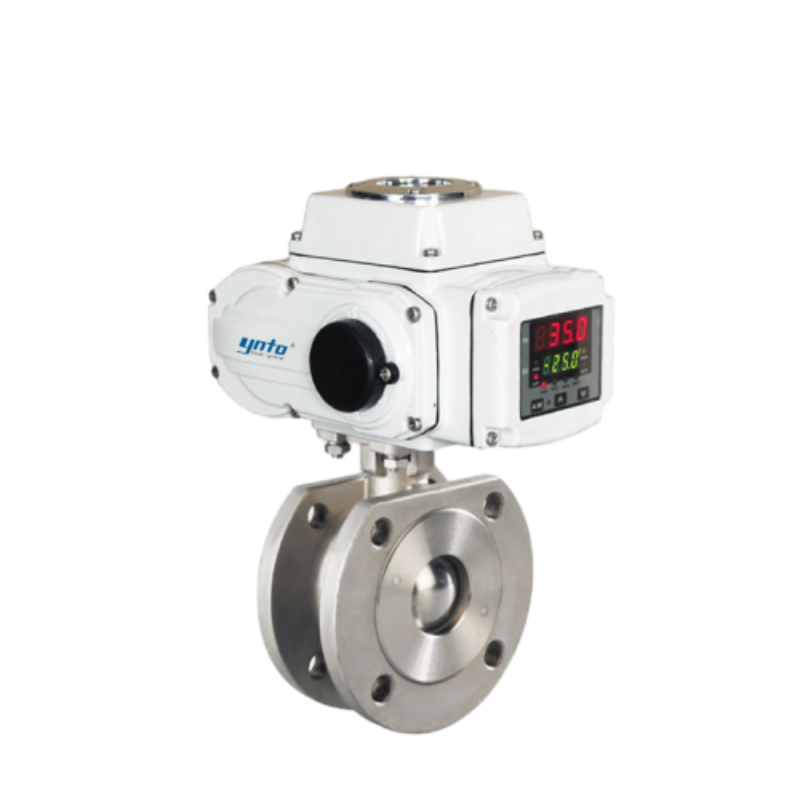 Oblea eléctrica de 2 vías de acero inoxidable YNTO 304SS 316SS Válvula de bola eléctrica de 2 vías de tipo delgado para 24VDC 220VAC 380VAC
La válvula de bola delgada eléctrica es compacta, liviana y fácil de instalar. Su asiento de válvula de sellado elástico garantiza un sellado confiable y una fácil operación. Adecuado para diversos medios como agua, vapor, aceite, ácido nítrico, medios oxidantes y urea, es ampliamente utilizado en las industrias de fabricación de papel, alimentos, petróleo, productos químicos, metalurgia, energía, productos farmacéuticos y tratamiento de aguas residuales.
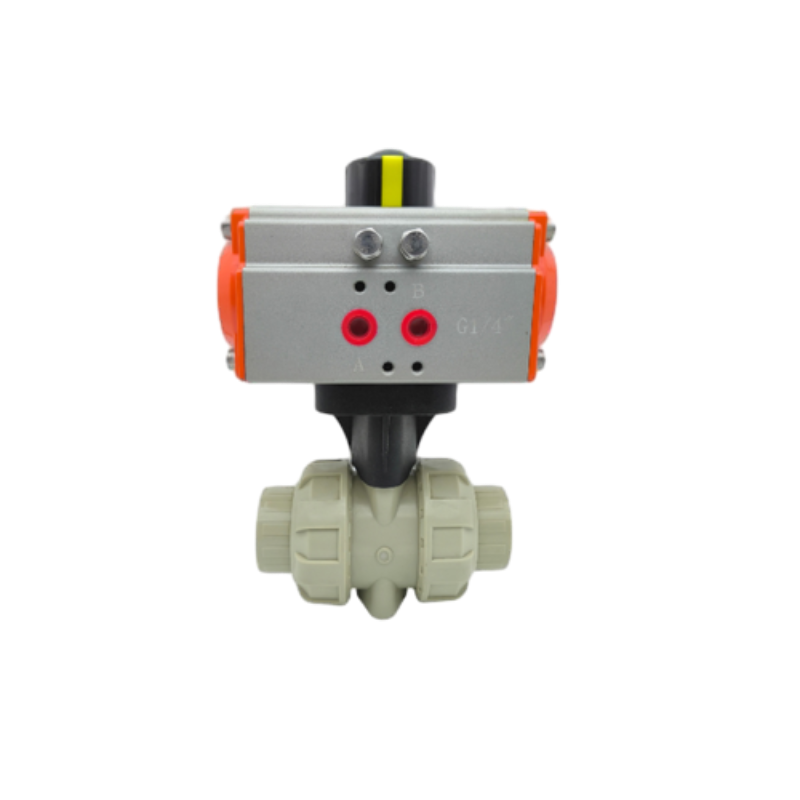 YNTO PPH 25 50mm agua Plástico DN10 ~ DN250 Vía Válvula de bola de doble unión pvc industrial Válvula de bola neumática
Las válvulas de bola neumáticas de plástico son livianas, resistentes a la corrosión y tienen una excelente resistencia al envejecimiento. Son ampliamente utilizados en diversas industrias, como la protección del medio ambiente, el tratamiento de aguas, los equipos de PCB, la galvanoplastia, la industria química, los semiconductores, la industria energética y la industria química cloroalcalina. La calidad ha sido reconocida por un gran número de usuarios.
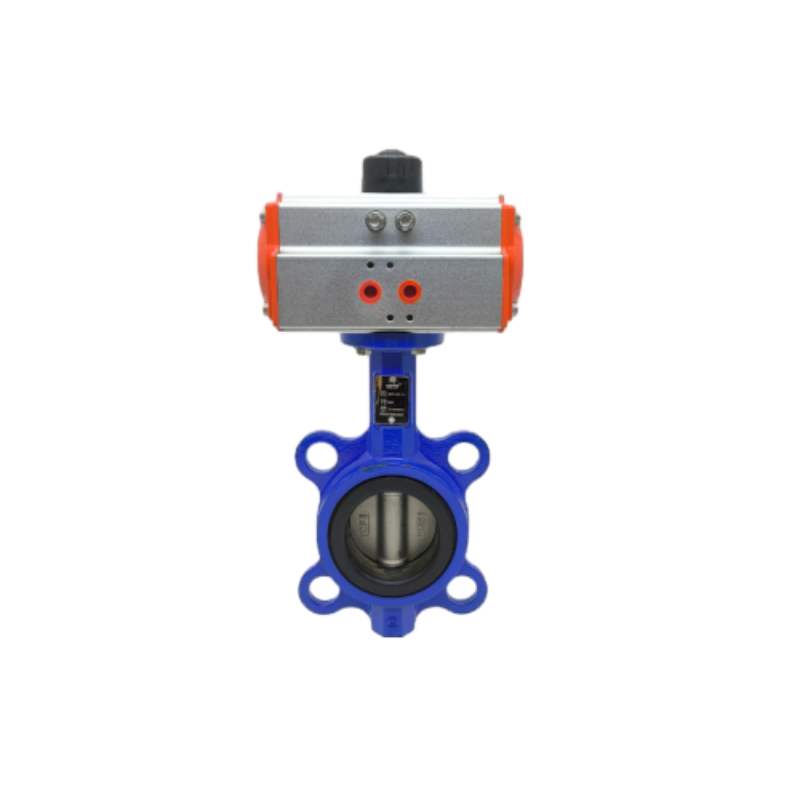 YNTO Industrial Flow Control Hierro dúctil Sello bidireccional de corte rápido de oblea neumática SS Válvula de mariposa de tamaño personalizado
La válvula de mariposa neumática de sello suave con oblea (D671X) está diseñada para un funcionamiento rápido, con una estructura compacta y un diseño innovador. Con su pequeño tamaño, peso ligero y sellado bidireccional confiable, es ideal para diversas aplicaciones industriales, incluidas las alimentarias, la protección del medio ambiente y el tratamiento de aguas.
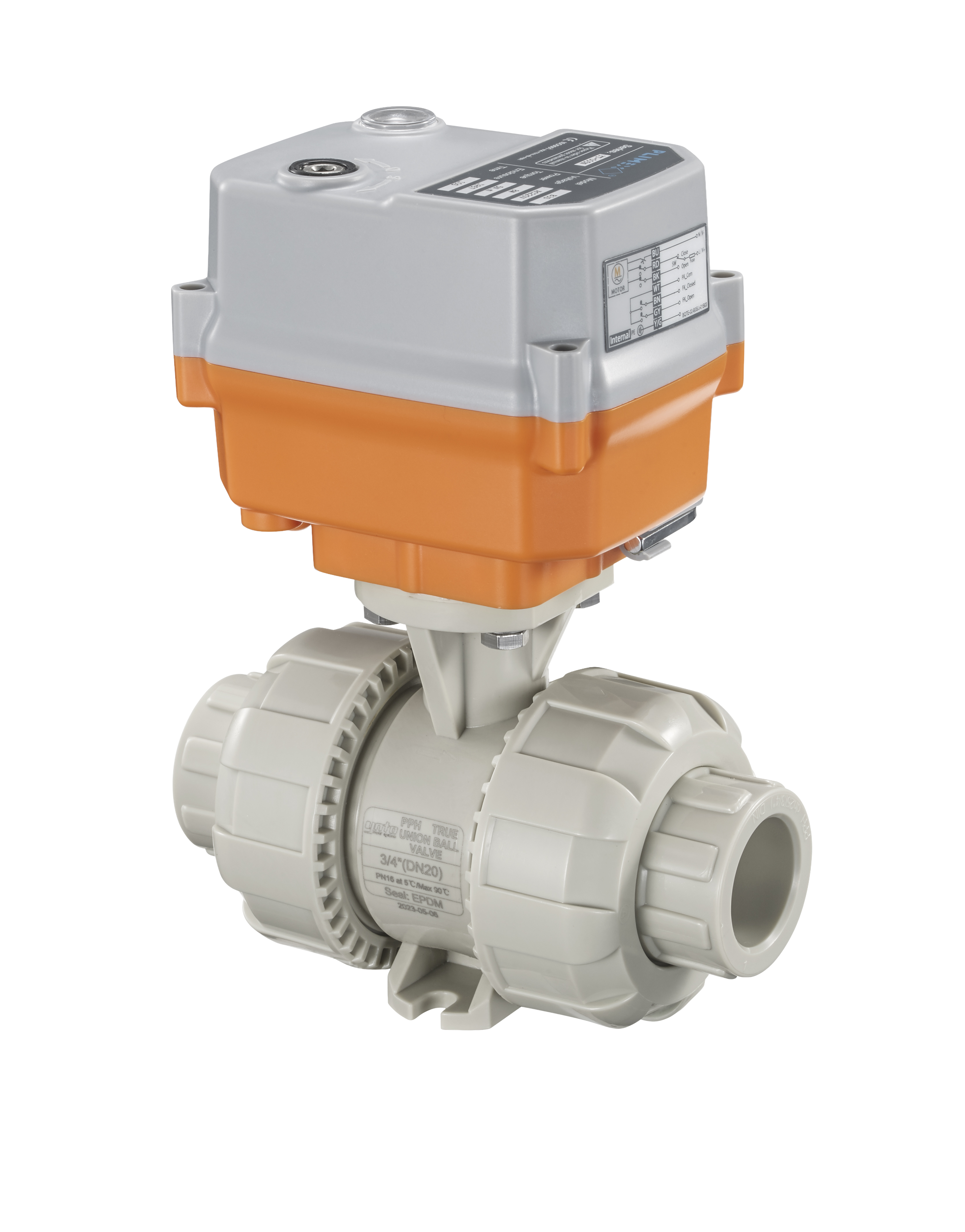 Actuador eléctrico industrial YNTO pvc PPH Válvula de bola eléctrica de 2 vías DN10-DN250 Voltaje personalizado
La válvula de bola de plástico eléctrica de doble efecto es liviana, altamente resistente a la corrosión e incorpora absorbentes de rayos UV y antioxidantes en sus materias primas para mejorar la resistencia del producto a la intemperie y al envejecimiento. Se aplica en varios campos, incluido el tratamiento de aguas, el tratamiento de aguas residuales, la galvanoplastia, la industria química, los semiconductores, la industria energética, la industria química cloroalcalina y otros.
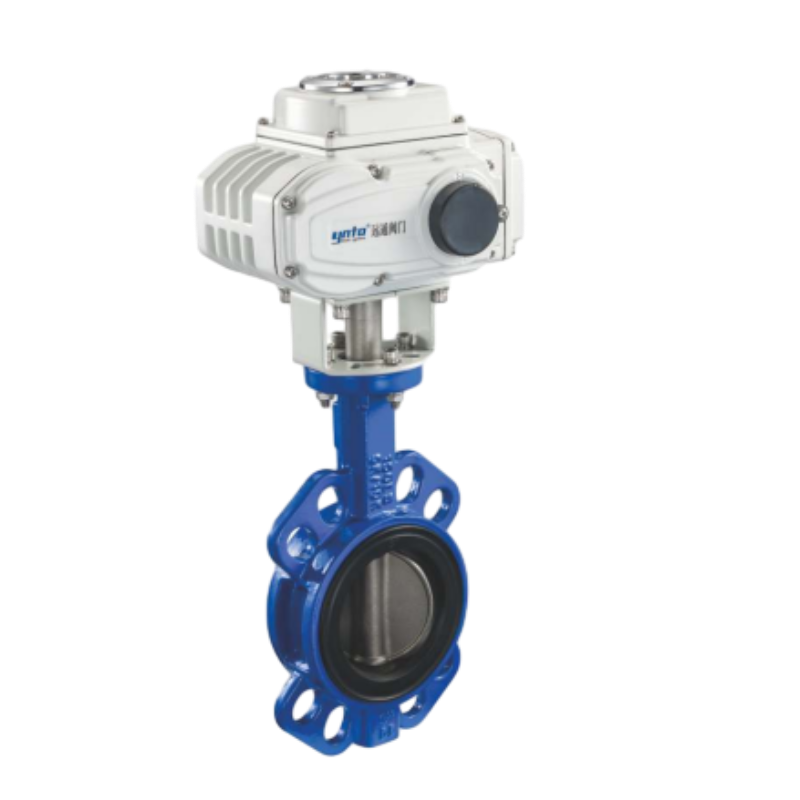 Válvula de mariposa eléctrica de PTFE tipo orejeta de sellado blando con actuador eléctrico
Válvula de mariposa eléctrica de PTFE tipo orejeta de sellado blando con actuador eléctrico