

Common Challenges with High-Pressure Gas Transmission Pressure Reducing Valves and Solutions
- 2026-06-15 10:28:40
- admin
- NO COMMENTS
In a typical high-pressure natural gas distribution station, engineers often encounter telltale signs that a pressure reducing valve (PRV) is starting to underperform. For example, one might see pressure gauges hunting around the setpoint or hear faint hissing at the valve bonnet during low-flow periods. These issues can stem from factors like slight valve-seat leakage or fluctuating inlet pressure. An operator might notice the regulator taking longer than expected to reach the new setpoint after a pipeline flow change. In many field operations, such symptoms – small pressure surges, slow valve response, or micro-leaks – often precede more serious failures.
Engineers inspecting a site will often note, for instance, that a high-pressure supply line feeding a regulator exhibits small oscillations when the valve is half open. The control mechanism may chitter slightly as it hunts, or the actuator torque may spike unexpectedly. These observations are natural clues: pressure differentials and flow pulsations (like oscillating 50 Hz chatter) cause tiny valve-disc vibrations that quickly wear the seat. Over time, seal materials such as PTFE or EPDM can fatigue under temperature and pressure cycling, leading to minute leaks (fluid cycles → seal fatigue → small weep). Left unchecked, even these minor leaks degrade regulator performance and let excess gas slip downstream.
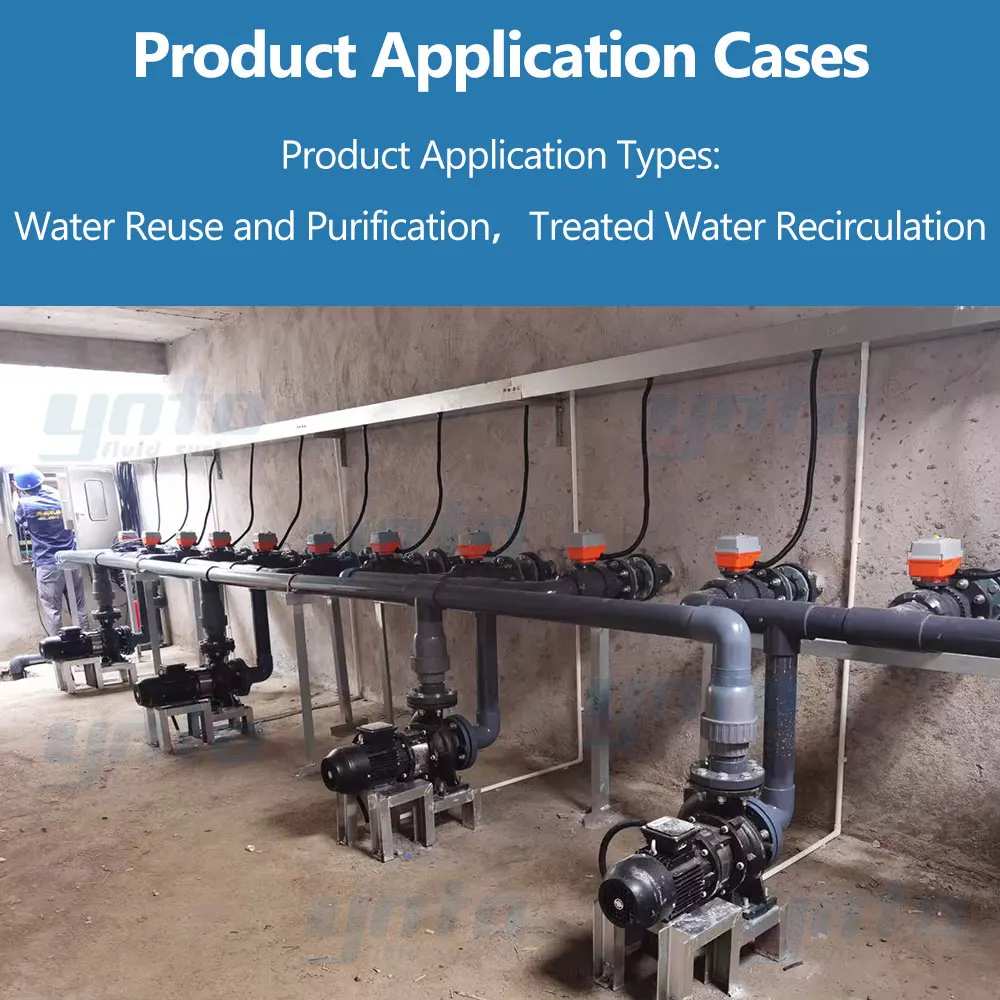
High-pressure PRVs are the workhorses of a gas distribution network. In a typical transmission system, pipeline pressures might be in the tens of bar (1 bar ≈ 14.5 psi). A PRV steps this down to safe distribution pressures. For example, one two-stage installation reduced 85 bar line pressure to roughly 2–3 bar on the outgoing side. In essence, the PRV throttles the flow: when inlet pressure rises or flow demand changes, it modulates to keep the outlet pressure stable. The valve’s pilot or actuator adjusts the orifice area, using the gas energy itself (and sometimes spring or diaphragm forces) to regulate the drop.
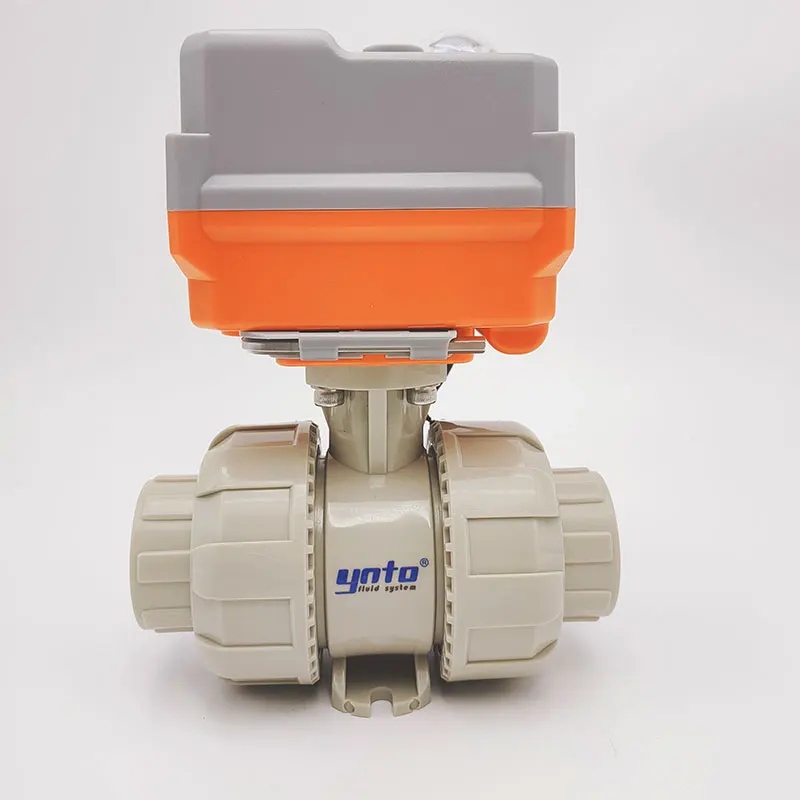
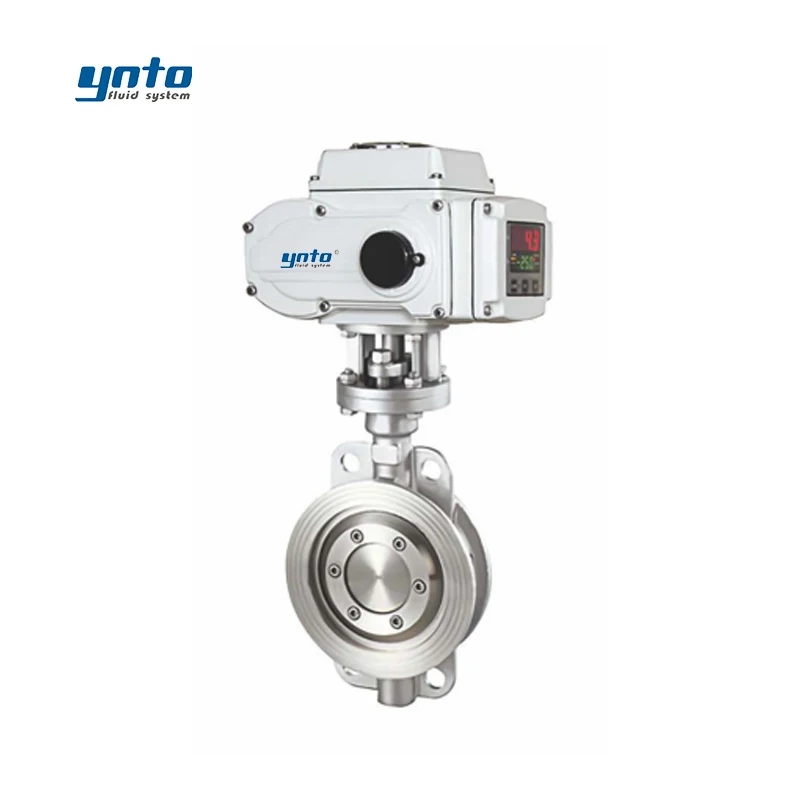
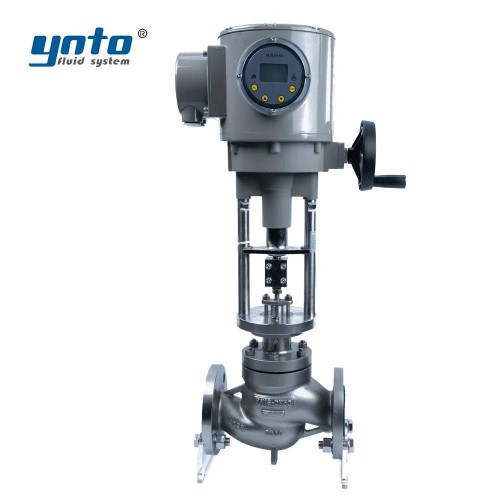
Functions in Gas Distribution Networks. In the field, PRVs protect equipment like meters, filters, and houses from over-pressure. They also precisely meter flow: by maintaining a set output pressure, they ensure that instruments downstream see a stable condition. Modern PRVs can be fitted with actuators and controllers for remote operation. For instance, cnynto’s product line includes an electric control valve with a motorized actuator, enabling fine digital adjustment of gas flow. Similarly, many pipelines use electric actuators or pneumatic actuators to automate the PRV, which improves consistency and allows supervisory control. By integrating such actuators into a SCADA system, operators can respond quickly to demand changes without manual valve-turning.
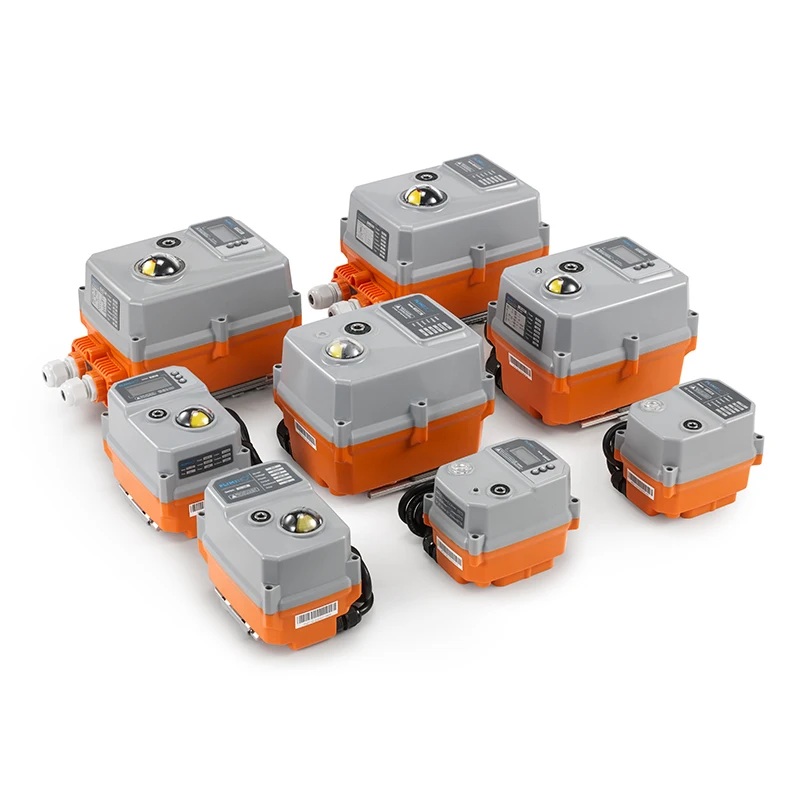
Significance in Ensuring Safety. Safety is the primary reason PRVs exist in gas networks. Any malfunction in pressure control risks overpressuring downstream lines or equipment. A stuck-open valve or failed pilot can cause a dangerous spike. Hence, PRVs often serve as the last controllable barrier before safety-relief devices. In practice, a PRV is tuned as part of a safety system: if set correctly, it holds pressure well below the maximum allowable limit. Often an additional pressure-relief valve (safety valve) backs up the PRV. For example, in a high-pressure steam skid analogy, engineers note that pressure pulsations often flutter a relief disc and cause seat wear if unchecked. In gas service, a similar chain can occur (pressure pulsation → disc chatter → leak), but a well-designed PRV prevents that chain from starting. Proper PRV design and operation thus maintain “pressure boundary safety” – protecting pipes and vessels from exceeding design limits.
Typical Challenges Faced
Over-Pressure Conditions
A common failure mode is unintended over-pressure. If a PRV’s pilot gets fouled or its spring setting drifts, the downstream pressure can momentarily exceed safe levels. For instance, an operator might see the outlet pressure climbing above the setpoint during a quick load change, because the valve fully opened before the sensor could respond. In worst cases, this can force a safety relief to pop or even damage sensitive equipment. This is why pressure-reducing installations usually include high-pressure safety valves: these valves act as a last defense. As one cnynto report notes, a complete safety system is never just one device. In most designs, the pressure relief valve handles upsets while an emergency shutoff valve isolates the source. Put simply, the PRV should rarely be the reason for dumping gas; it should throttle the flow smoothly.
A classic chain reaction might be: a surge in supply pressure → PRV pilot spools open fully → outlet overshoots → an SRV lifts or triggers. Engineers combat this by staging pressure reduction (two valves), using pilots with adjustable dampers, and providing filters to keep the pilot clean. For example, including an onboard Y-strainer or a cnynto filter in the gas stream ensures small particulates don’t block the pilot or valve seat.
Inadequate Response Times
Another issue is slow or erratic valve response. High-pressure gas flows require rapid action. If the PRV’s actuator or pilot loop is sluggish, the valve cannot correct pressure quickly enough, leading to oscillations or pressure dropouts. Field teams often see this as oscillating downstream pressure gauges or a waveform on the transmitter: after a change in demand, the pressure swings before settling.
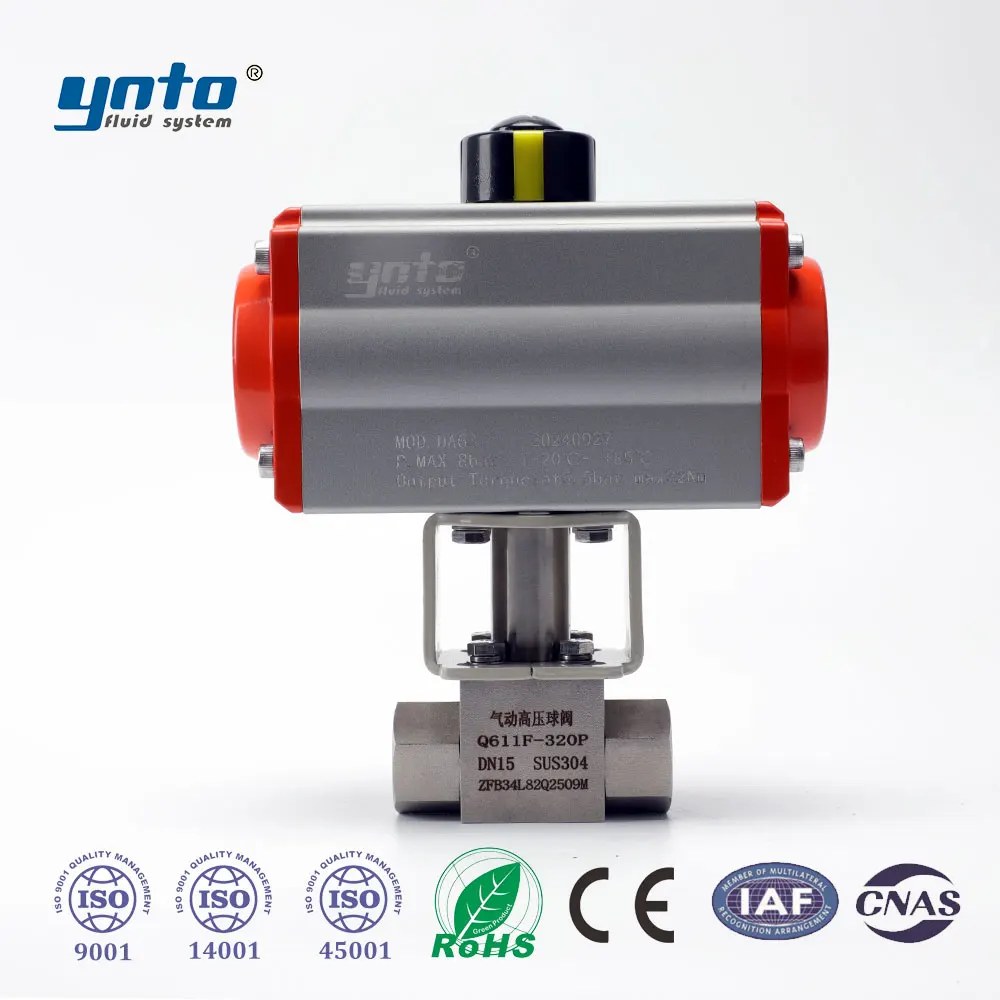
The cause-effect chain here is instructive: deposits on the valve plug (from condensed liquids or particulates) → increased friction and torque → slower valve stroke → delayed pressure stabilization. In practice, operators observe that a valve may "hunt" for a new setpoint after months in service because friction has crept up. To solve this, maintenance programs may use partial-stroke testing (to exercise and clean the valve) and stipulate lubricated, precision actuators. For instance, using a high-torque motor or pneumatic actuator with margin ensures the PRV can always meet the required flow rate. Also, modern valves incorporate feedback positioners or electronic controllers, which detect and compensate for slow response in real time.
Aging Infrastructure
Finally, many pipelines rely on decades-old PRVs. Aging can manifest as corroded bodies, leaking gaskets, or outdated materials that are no longer ideal for current pressures. An old regulator made of plain carbon steel, for example, may have tiny pits from corrosion. Over time, high-pressure hydrogen or sour gas can exacerbate this, causing material fatigue and cracks. In fact, an analysis of high-pressure hydrogen valves found that older carbon-steel components suffer cracking under cyclic pressure, which eventually caused leaks. The lesson: material upgrades are key. Today’s designs favor corrosion-resistant alloys (like Duplex stainless steel or Alloy 20) for valve bodies and trim. Even seal materials matter: 316L stainless or FKM/Viton seats may be chosen over cheaper EPDM in aggressive or hot environments. Regular inspection also catches aging problems early: pipeline operators often schedule PRV rebuilds every 5–10 years, replacing seals and springs even if no failure has occurred yet.
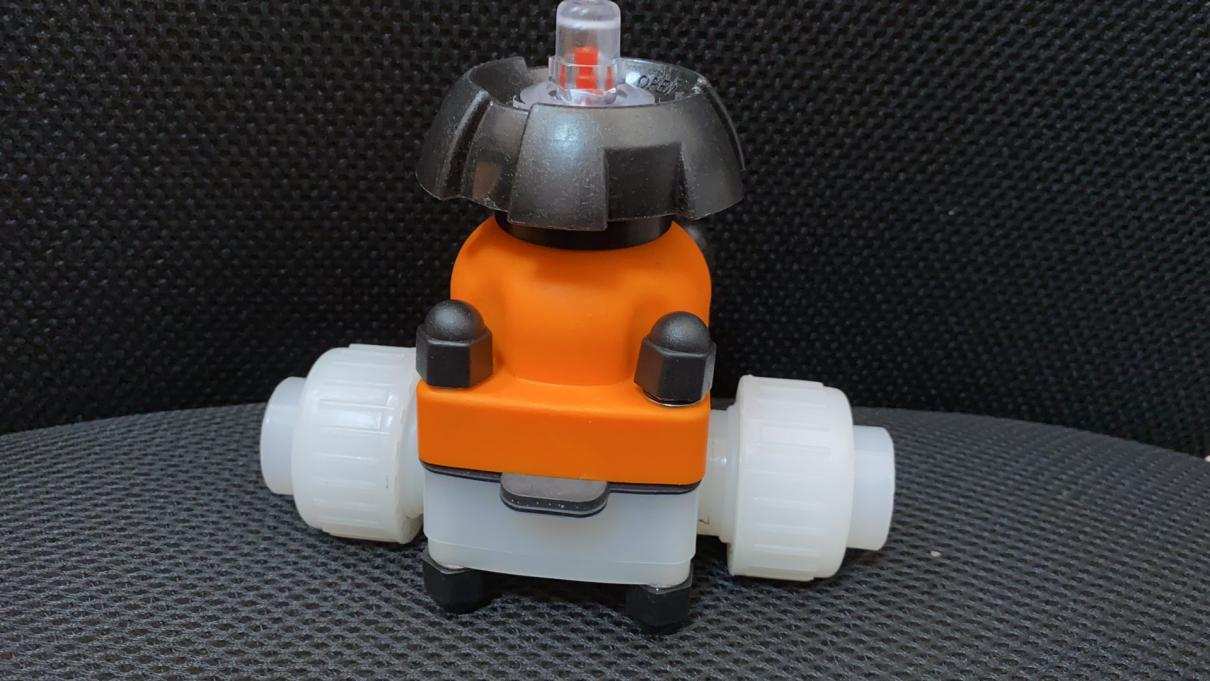
Engineering Solutions
Innovations in Valve Design
To tackle these challenges, valve manufacturers have made many improvements. Modern PRVs may use multi-stage throttling: instead of one single throttling disc, a multi-stage trim splits the pressure drop into smaller steps to reduce wear and noise. High-pressure ball and gate valves now feature double stem seals, bellows, and anti-blowout stems to ensure integrity under cyclic loads. These designs prevent small over-pressure spikes from leaking past the valve. Materials have also advanced: robust alloys like Hastelloy, 316L stainless, or Duplex (which resists hydrogen embrittlement) are common for PRV bodies.
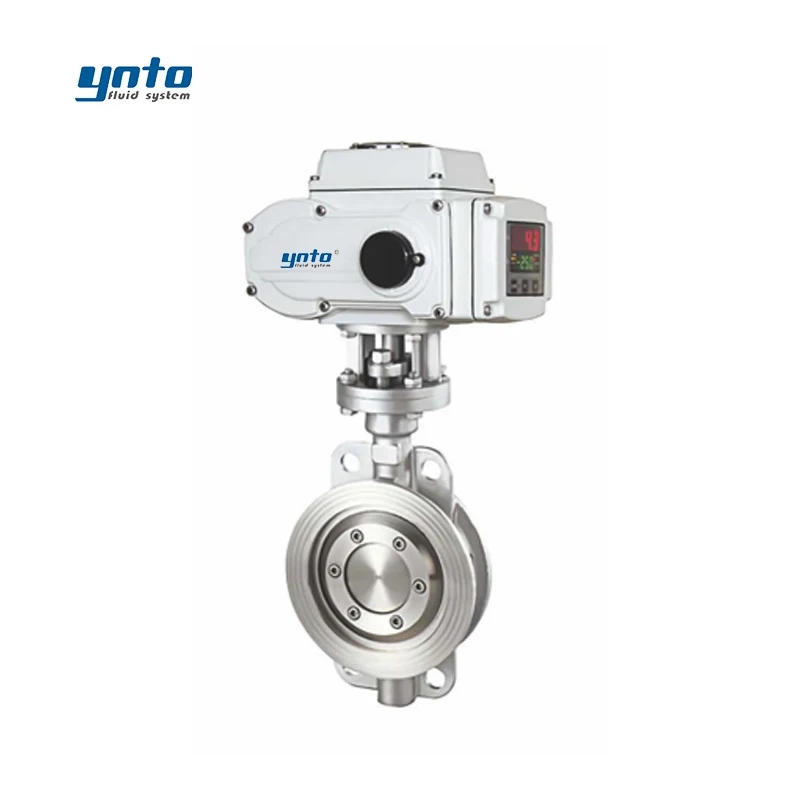
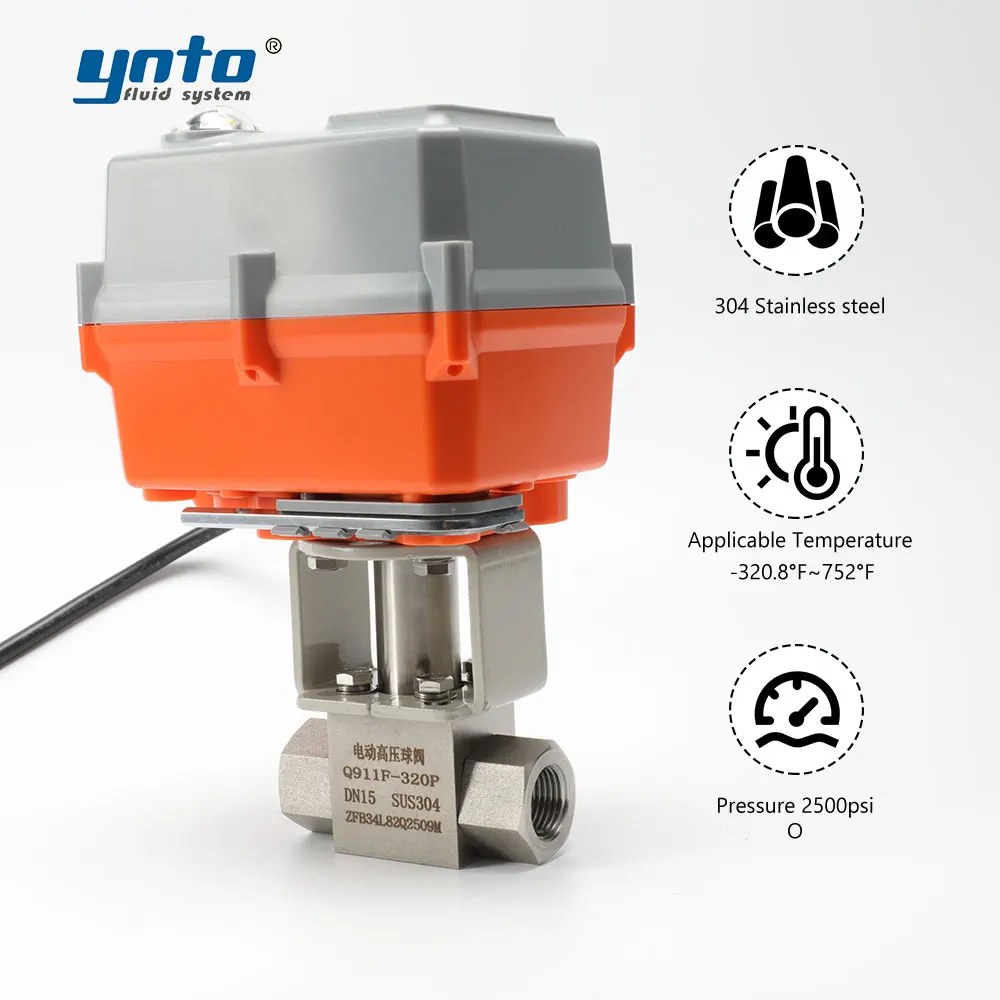
For example, cnynto’s catalog offers an electric ball valve made from Duplex steel, specifically to handle high-pressure gas applications. Upgrading to these valves solves the issue of aging pipeline mismatches: the high-strength body can better tolerate pressure cycles and corrosive gas, extending life and reducing maintenance. Similarly, control valves often use a multi-spring diaphragm or pilot design that quickly balances upstream and downstream forces, eliminating hunting. In practice, replacing a worn PRV with one of these new designs immediately smooths out the pressure curve.
Incorporating Smart Technology
Automation and smart monitoring are the next big step. Today’s PRVs can be fitted with electric actuators (with positioners) or integrated sensors to actively track performance. For instance, an electric actuator on a control valve lets the system monitor torque, position, and even adjust remotely. If the actuator senses that it’s reaching its torque limit, it can alert the operator before the valve stalls. Likewise, digital pressure transmitters and PLC control loops can catch an imbalance faster than old mechanical pilots.
Some systems incorporate “smart” positioners that log how much travel or torque is used each cycle. A rising trend can indicate clogging or wear. Furthermore, many installations now include leak detection or vacuum monitoring upstream. For example, a sudden pressure drop at the regulator might automatically close a pneumatic control valve elsewhere to isolate the leak. In short, the latest solutions blend mechanical robustness with electronics. One cnynto case note describes a station engineered as a full system: fast shutdown logic plus a proof-testable electric actuator platform dramatically improved safety without extra downtime.
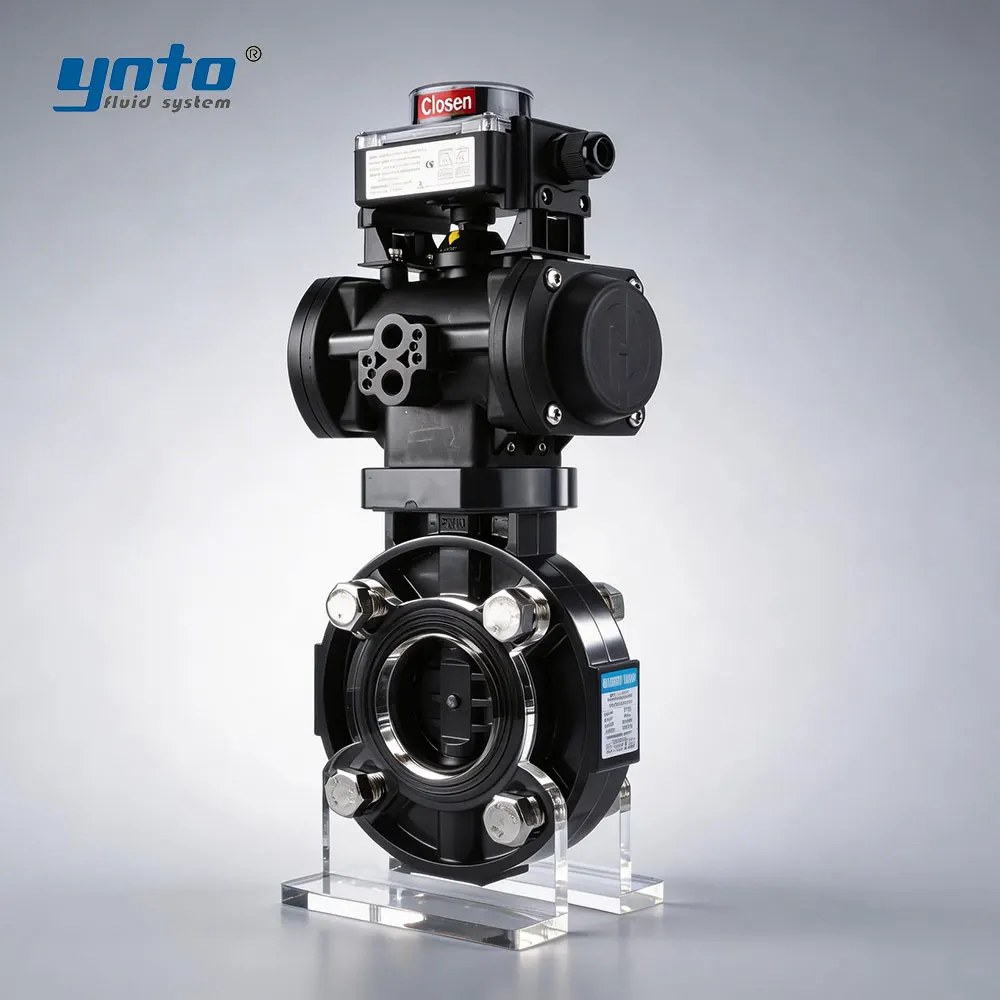
Valve Testing and Reliability
Overview of Valve Testing Methods
Reliability starts with testing. High-pressure valves in transmission service are usually certified and pressure-tested per industry standards. For pipelines, the API 6D standard is the benchmark: every installed valve must pass a hydrostatic shell test and a seat-tightness test at 1.1–1.5 times the working pressure. Operators often demand the test certificates before acceptance. The sequence might include: a backseat test (if applicable), a shell test (filling the body with water and pressurizing to check for body leaks), and a seat test (closing the valve fully and checking if any fluid passes). If a valve fails, it cannot be used – this strict verification prevents “infant mortality” failures in the field.
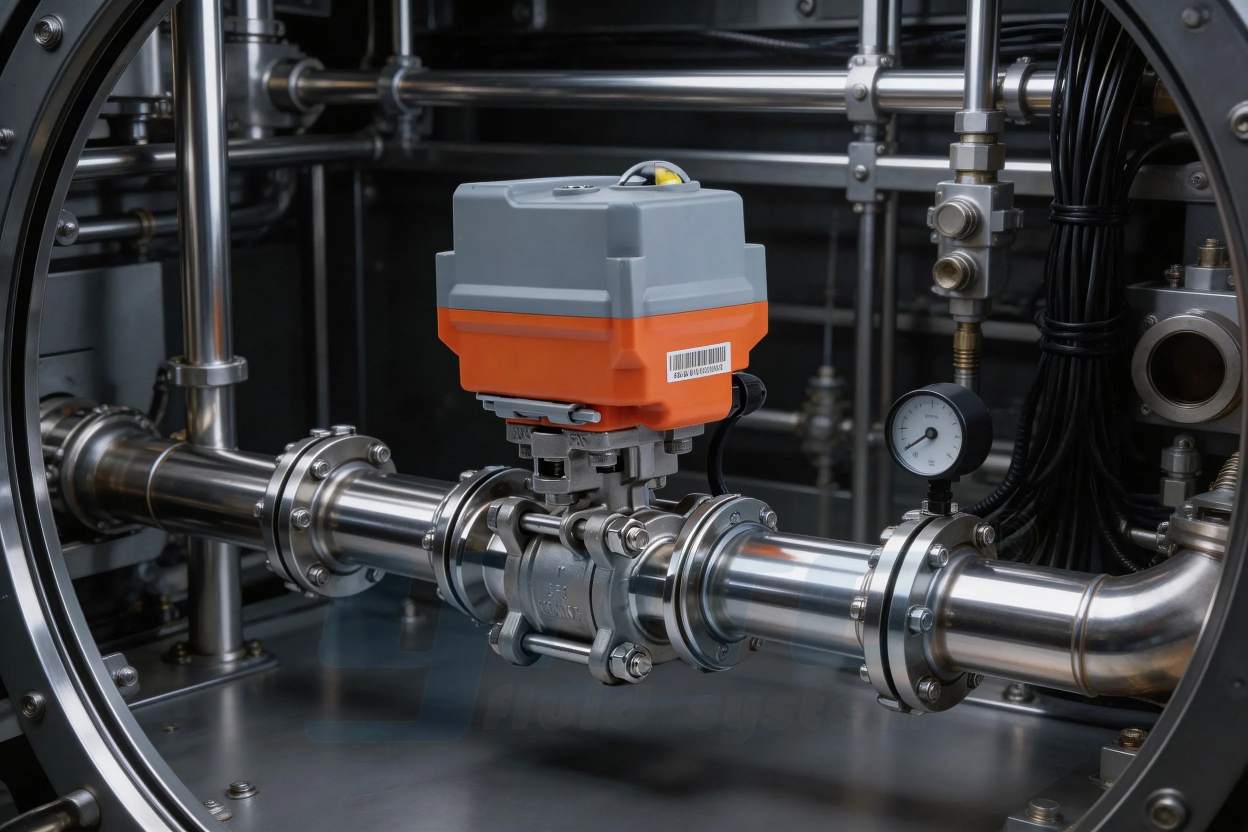
In practice, engineers follow standards like ANSI/ASME and ISO in addition to API. For example, an ANSI Class 1500 valve must endure a certain pressure range. Welding and material certifications (such as ASME B16.34) guarantee the valve’s integrity under expected conditions. By law, pipeline projects governed by regulators (DOT, EPA, etc.) require proof of testing. One industry write-up notes that in case of an incident, investigators will ask for API 6D valve test records to ensure compliance. In other words: if you skip proper testing, you risk losing approvals or safety of the pipeline.
Importance of Performance Verification
Beyond factory tests, field verification is critical. Even a new valve must be retested after installation, because piping stresses or alignment issues can affect performance. Engineers often perform a functional check: they record the inlet and outlet pressures across the PRV at several flow rates to ensure it holds within tolerance. They also inspect for vibration or noise (which can indicate cavitation or improper trim sizing). Some sites use diagnostic loggers that record pressure every few seconds, flagging any oscillation pattern early.
A key practice is preventive maintenance: scheduling inspections and recalibration without waiting for a trip. For example, a routine check might catch that a spring tension needs resetting. Case studies repeatedly show that valves last much longer when given minor tune-ups. In one facility, switching to a regular maintenance cycle – flushing the body, reseating, and retightening – doubled the mean time between failure.
Even in user documentation, partial-stroke testing of emergency valves is now common, to verify they will still work when needed. For PRVs, partial-stroke is less common, but pressure monitoring and high/low alarms serve a similar purpose: they confirm the valve hasn’t drifted into an unpredictable regime. Overall, rigorous testing and monitoring break the chain of cause-and-effect failures before they hit the pipeline.
Case Studies
Example 1: Successful Overhaul
Consider a midwestern gas utility facing frequent regulator issues. The station’s PRV was 20 years old, with a pilot-operated design. Operators installed a new package: a pneumatic control valve fitted with a smart positioner, backed by a high-capacity electric actuator. The trim was upgraded to a multi-stage honeycomb design and the body to 316L stainless. After commissioning, the outlet pressure stabilized immediately, and hysteresis was eliminated. The new valve also featured an integrated filter and a check valve on the downstream side, preventing backflow if upstream failed. The result: daily pressure fluctuations dropped to near zero and unplanned maintenance calls ceased. This shows that modernizing an old PRV to current technology (electric control valve, advanced materials) can dramatically improve equipment reliability and system efficiency.
Example 2: Lessons Learned from Failure
In another case, a high-pressure line suffered a rupture because of regulator failure. Investigation revealed the PRV’s pilot had been severely clogged by rust particles over years of service. The pilot stuck intermittently open, allowing an over-pressurization event that defeated the safety relief (which was sized too small for such a surge). The lesson was clear: incorporate redundancy and proper isolation. The operator rebuilt the system with two-stage reduction (two valves in series) and added a large catch filter upstream. They also installed a motorized ball valve as an emergency shutoff with partial-stroke testing. Now, if the first valve starts to overshoot, the automation closes the second stage. Afterward, no similar incidents occurred. This example highlights how a single point failure in an aging valve can have costly consequences, and how layered engineering solutions (dual regulators, filters, remote shutoff) mitigate the risk.
Conclusion and Recommendations
Recap of Challenges and Solutions. High-pressure gas transmission requires valves that are not only robust but also smartly engineered. Common pitfalls include (a) pressure surges overwhelming an under-sized regulator, (b) slow responses due to friction or poor tuning, and (c) old hardware corroding or wearing out. The good news is that each issue has a remedy. Material and design upgrades (thick-walled bodies, Duplex or 316L steel, multi-seal stems) eliminate many failure modes. Automation (electric/pneumatic actuators and positioners) removes human error and tightens control. Regular testing to API 6D standards and proactive maintenance break failure chains early – for example, catching valve chatter before it erodes safety margins.
Best Practices. To ensure long-term integrity, operators should treat PRVs as critical safety equipment. Always confirm that new valves have passed factory hydrostatic and seat tests. Perform system integrity checks periodically: look for unexpected pressure drops, valve chatter, or controller oscillation. Train staff to recognize early signs (like the slight whistle of gas or jitter in a gauge). Wherever possible, use double-isolation (e.g., add a check valve and an extra shutoff) so that a single component’s fault won’t flood the pipeline. In hazardous areas, opt for explosion-proof actuators and monitoring devices. Lastly, follow standards: use ANSI/ASME-rated components and ISO-certified valves so that performance is guaranteed by design.
Future Outlook. The future of high-pressure gas PRVs is digital and data-driven. Emerging technologies like IoT sensors and AI diagnostics will help predict valve issues before they happen. Ultrasonic leak detectors and advanced vacuum systems can flag even the tiniest seal breaches. Manufacturers continue to experiment with new alloys and coatings (FBE, Halar) to resist corrosion and hydrogen embrittlement. The trend is toward valves that not only control flow but also communicate their health. By adopting these innovations and adhering to rigorous engineering principles, the gas industry will greatly improve safety and efficiency in transmission networks.
Actionable Insights. In summary, to avoid costly mistakes: inspect PRVs regularly, insist on proper testing, and upgrade aging valves with modern, low-noise designs. For example, installing a cnynto electric ball valve or pneumatic control valve with quality seals can instantly reduce leaks. Adding check valves downstream prevents backflow accidents. Incorporating a high-performance control valve or electric actuator provides the precise response needed for fast-flow changes. By combining these steps with a good maintenance plan, facilities can ensure their high-pressure regulators keep gas flowing safely and reliably.

- 2026-09-11 16:48:37
- 2026-09-09 09:50:27
- 2026-09-07 09:14:41