

Stainless Electric Valves for Beverage Line Efficiency
- 2026-03-20 16:13:49
- admin
- NO COMMENTS
A beverage line can look perfectly “clean” and still run inefficiently. I’ve stood beside filler manifolds where the product is crystal clear, the CIP skid is validated, and yet the flow profile keeps drifting: ΔP across a valve station flickers by a few kPa, the actuator pauses before it moves, and the low-flow side of the loop develops that faint vibration you can feel through the sanitary piping. By the time quality calls it “inconsistent fills,” maintenance has already seen the early signs—rising torque, stiction at mid-travel, and seals that start aging faster once hot-water cycles get more frequent.
Meanwhile, those small behaviors add up. A valve that doesn’t track smoothly forces longer stabilization times after changeovers, more rework, and more “operator compensation.” The upgrade that usually pays back first is not a new pump or a bigger skid. It’s a stainless steel electric valve package that’s sized correctly, cleanable, and instrumented for electronic valve control.
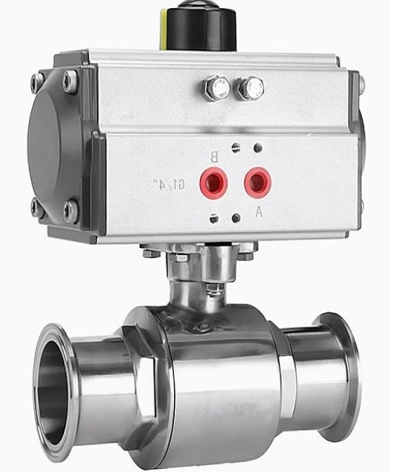
Upgrade Your Beverage Line Efficiency with a Stainless Steel Electric Valve Today
Introduction
The Need for Upgraded Beverage Processing Solutions
Beverage processing equipment is unforgiving because your process changes constantly—CIP, push-water, product runs, CO₂ dosing, temperature swings, and frequent start/stop events. In many lines, the control problem is not “lack of automation,” it’s unstable final control.
Causal Chain 1 (Cause → Result → Impact): rapid changeovers + pressure ripple from pumps → valve trims see micro-vibration at low flow → response delay and oscillation → longer time to reach steady-state, more product loss at startup and changeover.
Overview of Valve Technologies
For beverage lines, you typically choose between quarter-turn isolation (ball/butterfly), hygienic diaphragm designs, and throttling/control valves for true pressure regulation. If you’re starting from scratch, browse stainless steel electric valves to map what you need by duty—on/off isolation, divert/mix, or modulating control.
The Advantages of Stainless Steel in Beverage Lines
Hygiene and Sanitation Benefits
Stainless steel components matter because they tolerate repeat cleaning, heat, and chemistry while maintaining surface integrity. Sanitary butterfly valves marketed for beverage and brewing frequently emphasize 316L stainless and hygienic end connections, because crevices and trapped media are where contamination risk starts.
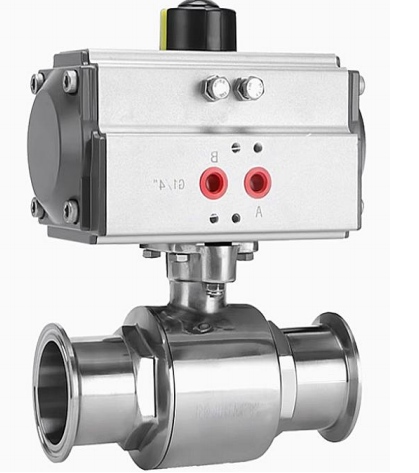
If your line uses tank manifolds or product diverting, a tri-clamp design like the 316 clamp ball valve is built around hygienic connections and automated control integration for food & beverage contexts.
For shutoff-and-clean service, sanitary diaphragm valves are worth considering because the diaphragm isolates the actuator mechanism from the product zone, simplifying hygienic design in many applications.
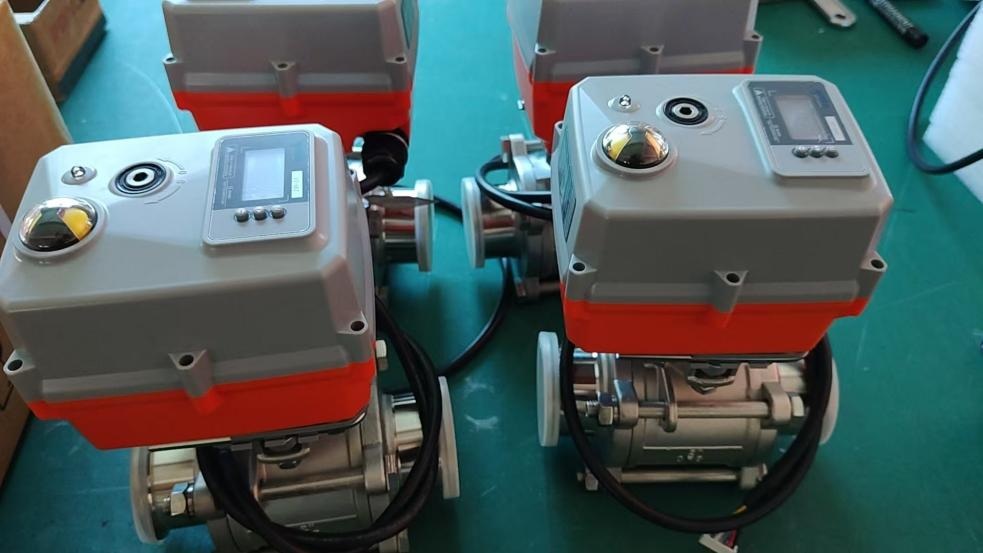
Long-lasting Stainless Steel Components
Seal chemistry and metallurgy decide whether your “upgrade” stays upgraded. In beverage plants, we typically see 316L as the workhorse alloy around product contact, Duplex used when higher strength/corrosion margin is needed, and PTFE/EPDM/FKM selected based on temperature and cleaning chemistry. For utility lines, carbon steel or alloy steel can still make sense—then external protection like FBE or Halar-type coatings becomes the real life extender in aggressive washdown or chemical exposure zones.
Causal Chain 2 (Cause → Result → Impact): hot CIP cycles + aggressive cleaners → elastomer fatigue and compression set → small seat/packing leakage → product loss + unplanned sanitation stops + higher leak risk around hot surfaces.
Understanding Electric Actuators
How Electric Actuators Work
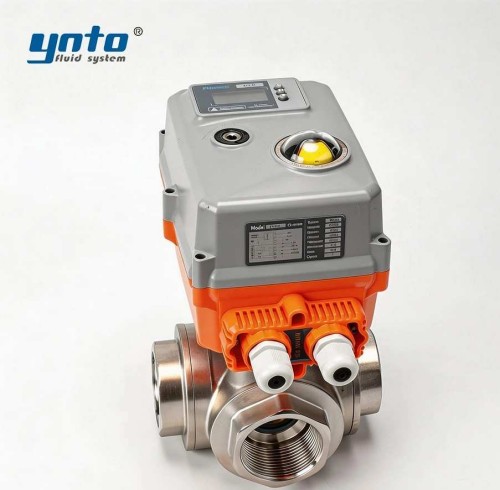
An electric actuator converts an electrical command into controlled valve movement through a motor and gear train, then uses limit/position logic to stop where you want it. In a modern line, the actuator is also your feedback device—especially when you need proof of position for interlocks and recipe steps. Start with electric actuator selection, then add limit switches where your PLC needs “actually open” and “actually closed,” not a guess.
Benefits of Electric Actuators vs. Manual Valves
Manual valves are simple, but they amplify human variability. Electric actuation reduces that variability, shortens changeover routines, and supports electronic valve control—especially for valves that must return to the same intermediate position (think blending, pressure trimming, or controlled ramp-up). For many plants, the first measurable gain is fewer minutes wasted waiting for stable flow after every product switch.
Pressure Control Valves: The Key to Optimization
Ensuring Consistent Pressure in Beverage Lines
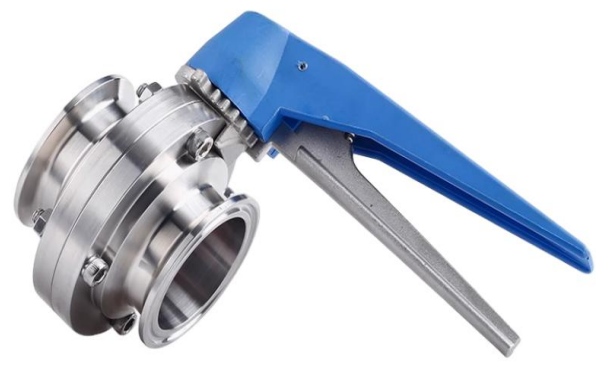
How Pressure Control Enhances Efficiency
Pressure stability reduces rework, stabilizes carbonation control, and lowers the wasted volume at the beginning and end of runs. Combined with process optimization tools (trend logs, alarms, valve position feedback), you can stop “tuning by feel” and start controlling what matters. Over time, this ties directly into energy management systems: less pump throttling, fewer corrective cycles, and shorter CIP runtimes because flow and temperature control settle faster.
Integrating Electronic Valve Control
Benefits of Automation in Beverage Processing
Most food & beverage valve suppliers frame reliability across sanitary service, utility service, and CIP. The common theme is integrated valves, actuators, and controls that keep lines running consistently in washdown-heavy environments.
For plant-wide standardization, electric ball valves and electric butterfly valves cover most isolation and divert duties, while hygienic product zones often benefit from sanitary-oriented designs.
An Overview of Electronic Control Options
If your DCS/PLC is already built around 4–20 mA, choose actuators and control packages that support modulating control and position feedback. If you’re moving toward digital networks, a Modbus electric actuator can reduce wiring and simplify diagnostics when you have dozens of valves on one line.
Conclusion
Summary of Key Benefits
A stainless steel electric valve upgrade improves hygiene, repeatability, and uptime—especially when you match materials (316L/Duplex + PTFE/EPDM/FKM) to the actual cleaning regime, and you instrument the valve for reliable electronic valve control.
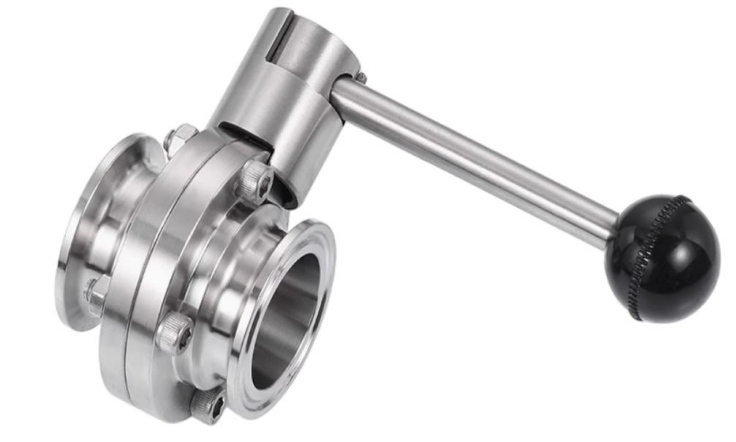
Encouragement to Implement Upgrades
If your line shows ΔP instability, low-flow vibration, or rising torque during CIP and changeovers, don’t wait for failure. Standardize a few proven valve packages for your sanitary piping zones and utilities, and make actuation/feedback part of the purchase spec—not an afterthought.
- 2026-09-14 15:59:43

- 2026-09-11 16:48:37