

High-Pressure Safety Valve Systems in Industrial Applications
- 2026-05-09 09:29:12
- admin
- NO COMMENTS
Exploring the Benefits of a High-Pressure Safety Valve System in Industrial Applications
During a night shift on a high-pressure steam and condensate skid, engineers sometimes hear the relief header chatter before they see anything abnormal on the HMI. The pressure line starts to hunt, a shutdown valve takes a fraction longer to stroke, and a faint vapor trace appears around a vent connection that looked perfectly fine the week before. None of this feels dramatic at first. In real plants, that is exactly why it becomes expensive.
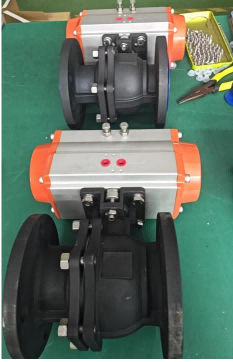
In many field operations, the first warning is not a catastrophic trip but a pattern. Repeated pressure pulsation can make a relief disc flutter, then seat wear follows, then leakage begins. Severe temperature cycling can harden an elastomer or distort a soft seat, and what starts as a minor weep becomes a reliability issue that quietly consumes shutdown hours. A well-designed high-pressure safety valve system interrupts that chain early by protecting the pressure boundary, limiting release volume, and giving operators time to respond instead of improvise.
Overview of High-Pressure Safety Systems
A credible high-pressure safety architecture is never a single device. In most industrial safety systems, the pressure relief valve handles the upset, the emergency shutoff valve isolates the energy source, and the process controller keeps pressure from drifting into the danger zone in the first place.
That is why serious buyers no longer source one component in isolation; they look for complete packages built around control valves, fast shutdown logic, and a dependable electric actuator platform that can be proof-tested without turning every inspection into an outage. When the package is engineered as a system, pressure vessel safety improves and maintenance becomes measurable instead of reactive.
Key Components of Safety Valve Systems
Pressure Relief Valve Functionality
A pressure relief valve is the last mechanical barrier between normal operation and pressure boundary failure. Engineers in the field do not think about it as a textbook component; they watch how cleanly it seats after a lift, whether backpressure is stable, and whether the blowdown behavior matches the process. If inlet pressure fluctuates too hard or the installation is poorly laid out, the disc can micro-lift and chatter. That chatter leads to seat wear, seat wear leads to chronic leakage, and leakage gradually erodes the real safety margin even though the nameplate still looks correct. The basics are well established: safety valves are installed wherever the maximum allowable working pressure may be exceeded, and the selection still depends on set pressure, discharge capacity, backpressure, and installation details. In practice, API 520 and API 521 are the design backbone behind that judgment.
Emergency Shutoff Valve Features
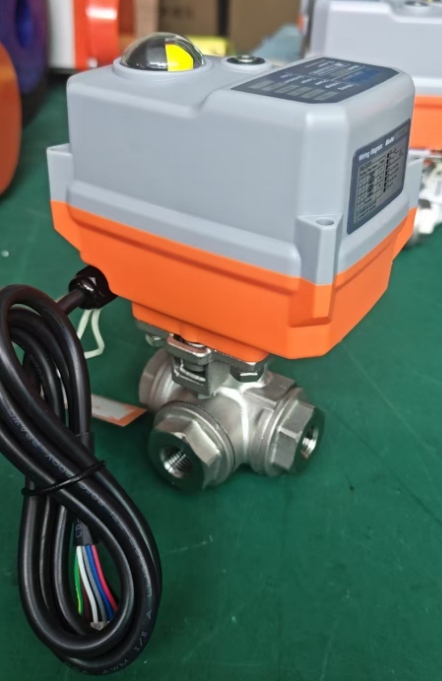
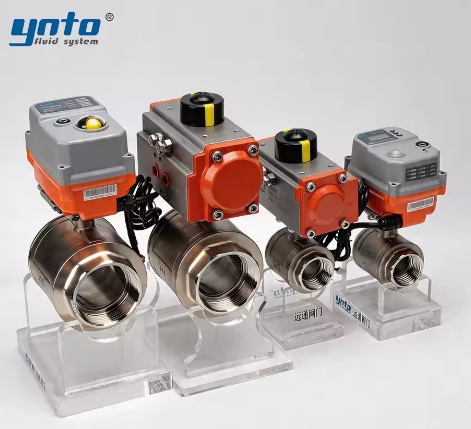
Emergency shutoff service is a different problem. Here the goal is not proportional control but fast, repeatable isolation under upset conditions. During commissioning, one common sign of future trouble is rising operating torque after a few months in service. Deposits build on the sealing surface, friction increases, the stroke slows, and eventually the closure time drifts outside the plant’s expectation. That cause-and-effect chain matters: deposits or seat friction rise → actuator torque demand climbs → valve stroke slows → isolation happens later than the safety study assumed. For buyers specifying shutdown duty, a tight-sealing electric ball valve is often the first choice on smaller lines where shutoff integrity matters most, while an electric butterfly valve makes more sense on larger diameters where weight and footprint matter. Hazardous-area pilot circuits often need an explosion-proof solenoid valve, and the actuator needs real torque margin, not just nominal catalog torque. Just as important, partial-stroke testing is now widely used because it verifies that the shutdown valve is not stuck and will move to its safe position if a real demand occurs.
Advantages of Implementing High-Pressure Safety Valves
Enhanced Operational Safety
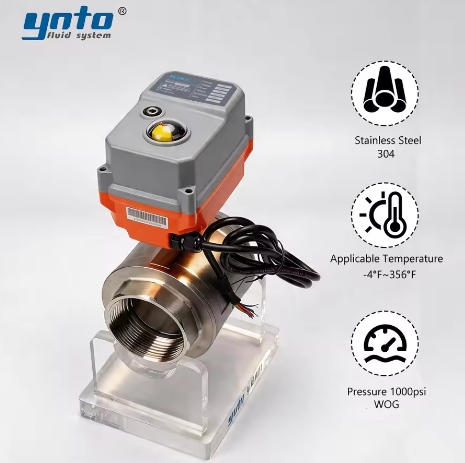
The biggest safety benefit is often invisible. A stable valve system prevents the abnormal condition from escalating. Relief devices protect against blocked discharge, thermal expansion, and process upsets; shutdown valves limit the release inventory if something upstream fails; and leak detection systems or PRV monitoring show operators whether the safety layer is still healthy between turnarounds. Material selection belongs in the same conversation. 316L stainless steel remains a practical choice where general corrosion resistance is needed, but it can still suffer localized corrosion in the wrong media. Where chlorides, sour service, or aggressive wash streams are present, Duplex or Super Duplex often becomes the better engineering decision because strength is higher and resistance to pitting and crevice corrosion improves. Meanwhile, PTFE remains attractive for its chemical resistance and low friction, EPDM performs well in hot water and glycol-based services, and FKM is usually the stronger answer for hydrocarbon-rich media and higher temperatures. If the body material is mismatched to the process, the sequence is brutally familiar: corrosive condensate attacks the wetted metal → localized pitting develops around critical surfaces → set-pressure stability drifts → the real pressure vessel safety margin shrinks long before a failure report is written.
Cost-Effectiveness in Leak Prevention
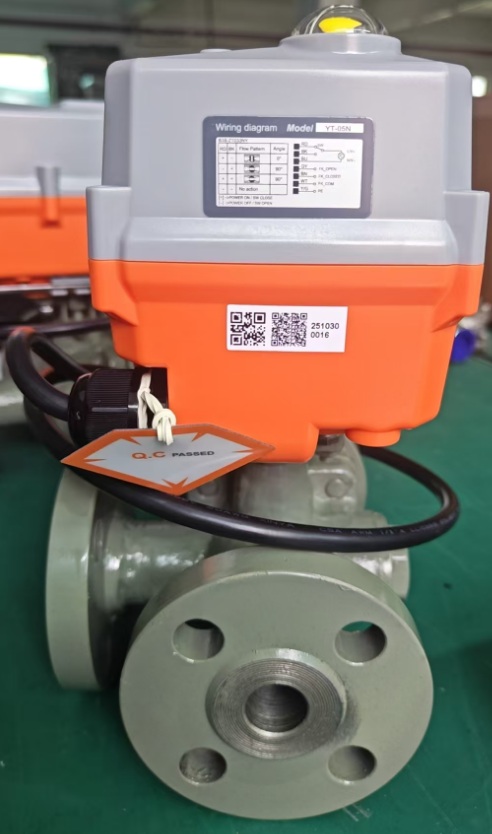
Good safety valves are not expensive; leaking ones are. A relief valve that feathers, a vent that does not reseat tightly, or a shutdown valve with aging elastomers drives loss in three directions at once: product release, environmental exposure, and unplanned labor. EPA notes that LDAR best practices and Method 21-based programs are central to controlling equipment leaks, and Emerson reports that PRVs often run with only schedule-based maintenance, which means undetected relief events and leakages can remain unnoticed for years. The business case is not theoretical either: Emerson cites a U.S. refinery where PRV monitoring delivered an estimated ROI of 271% and paid back within five months. For corrosive side streams or chemical dosing points, a diaphragm valve is often the cleaner solution because the elastomer or PTFE barrier keeps moving parts away from aggressive media. For blanketing duties, a nitrogen sealed valve helps reduce oxygen ingress and leakage risk in tanks handling oxidation-sensitive or hazardous contents. On the body side, fusion bonded epoxy remains useful in wet duty and water service because it offers durable abrasion and chemical resistance, while Halar ECTFE coatings are worth considering where chemical resistance, barrier performance, and permeation control matter more.
Application in Industrial Environments
Case Studies: Effective Use of Safety Valves
The field evidence is telling. In refinery service, pressure relief valve monitoring has shown that PRVs can pass through long periods with undetected relief events or seat leakage if nobody is measuring what actually happened. Plants that add monitoring stop relying on assumptions and start using event data. Another strong example is changeover protection. When a plant wants one active relief valve and one standby spare, the old arrangement often means more piping, more leak points, and more pressure loss than operators realize. Emerson’s Safety Selector Valve literature is particularly useful here: it is designed to mount two relief valves on a single penetration, keep pressure losses below 3% through the changeover valve, and ensure both relief valves cannot be blocked at the same time. That combination matters in live plants because it reduces downtime during maintenance without weakening the protective layer.
Integration with Flow Control Valves
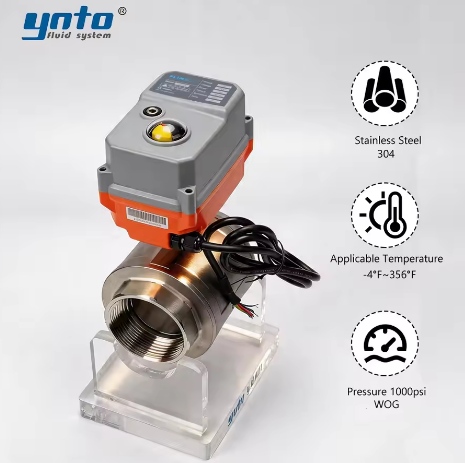
Safety valves do not replace process control; they back it up. In many field operations, the root cause of repeated lifting is not a bad relief valve but a weak control strategy upstream. An oversized control valve running at very low travel can hunt, pressure drop becomes unstable, vapor pockets or cavitation appear, and downstream safety devices see repeated excursions they were never meant to manage continuously. The chain is easy to miss until wear starts: unstable pressure drop → cavitation or vibration inside the control stage → trim damage and response drift → more process instability and more safety valve activity. Emerson notes that cavitation begins when liquid pressure falls near vapor pressure inside the control valve, while Spirax Sarco’s steam sizing guidance shows how valve size directly affects pressure drop and downstream thermal performance. For buyers who need stable modulation, an electric single seat control valve is a rational option where differential pressure is moderate and low leakage matters. Where conditions are hotter or more severe, a pneumatic sleeve control valve offers better stability, lower vibration, and stronger resistance to trim wear. In dirty or fiber-bearing service, V-port control ball designs remain attractive because the shearing action helps resist jamming.
Regulatory Compliance and Valve Testing Standards
Compliance is where good engineering becomes auditable engineering. ASME B16.34 covers pressure-temperature ratings, dimensions, tolerances, materials, nondestructive examination, testing, and marking for many metallic valves, and the ASME Boiler and Pressure Vessel Code establishes the wider safety framework around boilers and pressure vessels. OSHA explicitly treats pressure vessel hazards as a standards issue, which is why protected equipment and valve selection cannot be separated in serious projects. API 520 addresses installation methods for pressure-relieving devices on equipment with MAWP of 15 psig or greater, API 521 gives design guidance for pressure-relieving and depressurizing systems, API 527 defines seat-tightness methods and acceptable leakage rates for pressure relief valves, and API 598 remains central for inspection and testing of gate, globe, plug, ball, check, and butterfly valves. ISO 4126 covers safety devices against excessive pressure, including pilot-operated and controlled safety pressure relief systems, while ISO 5208 covers metallic valve pressure testing and closure tightness. DIN standards still matter in export work because DIN EN 1092-1 affects flange compatibility and DIN’s valve committee publications show how ISO 5211 actuator attachments and pressure-equipment testing standards continue to shape interoperability. For buyers, these are not paperwork exercises. They decide whether the valve will fit the flange, pass the seat test, survive the temperature class, and satisfy the inspection file. Final sizing and jurisdiction-specific code adoption still need project-level confirmation against the purchased standards.
Future Trends in Safety Valve Technologies
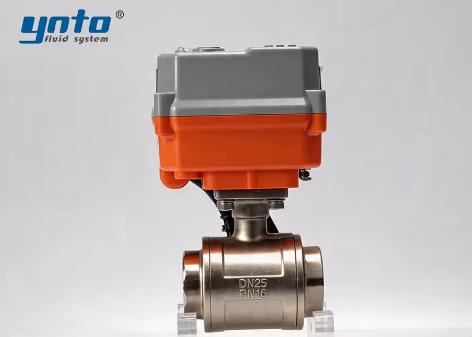
The next step is not simply stronger hardware. It is smarter hardware. ISO 4126-5’s controlled safety pressure relief systems point in the same direction as current industry practice: more control, more diagnostics, and better event visibility. Emerson’s PRV monitoring and partial-stroke testing tools show how safety systems are moving toward proof-tested, data-rich operation instead of schedule-only maintenance. On the product side, that trend favors modular packages that combine actuators, solenoids, position feedback, and flow control into one operable layer. It also explains why many buyers now ask for event logs, diagnostics, and communication options alongside the valve itself. From CNYNTO’s side, the available actuator platform already reflects that shift, with modulating and on-off models intended for ball and butterfly automation in harsh service.
Summary
For engineers and procurement teams, the real value of a high-pressure safety valve system is not the individual catalog item. It is the way the relief device, shutdown valve, actuator, monitoring layer, and flow control valve work together under stress. If you are sourcing for a new plant or a retrofit, ask for more than nominal size and pressure class. Ask for set-pressure philosophy, leakage class, body and seal materials, actuator torque margin, proof-test strategy, and compliance with the valve testing standards your project actually calls up. That is where the difference between a cheap valve and a reliable industrial safety solution becomes visible. CNYNTO’s portfolio is most useful when treated exactly that way: as a system-level toolbox for shutoff, modulation, hazardous-area actuation, and corrosive-service isolation rather than as disconnected parts.
.png?imageMogr2/format/webp)
- 2026-09-30 08:25:23
- 2026-09-28 10:28:43
- 2026-09-21 15:23:44